The app development ecosystem is growing at an accelerating pace. Today, it is one of the most prominent industries, with an average daily release of approximately 1.3k and 1.8k apps on the Google Play Store and the Apple App Store respectively.
Machine learning, Artificial intelligence, and the Internet of Things are major innovations incorporated in many apps today. Virtual assistants are another such advancement. Leading platforms like WhatsApp, Instagram, and TikTok are topping the list of popular apps with the highest number of downloads. Additionally, Netflix and Amazon Prime rule the entertainment apps segment, and Candy Crush rules the gaming apps segment.
At present, we are witnessing the change of course with a surge of AI chatbot apps, web 3 & AR/VR gaming apps and also battle royale games attracting the users with stunning graphics and interesting features.
Mobile applications have modified human life significantly. Exceptional UIs and quick navigation through the apps have become a trademark. According to the ERICSSON report, we have seen worldwide mobile subscriptions of 8.51 billion in 2023, and 8.66 billion in 2024 which is expected to reach 9.43 billion in 2030.
It will automatically bring an exponential increase in app downloads as well. In this context, it becomes more valuable to understand the best app development software solutions prevailing in the market, along with the current and future app development trends.
This article includes a detailed review of a wide range of free and open-source app development software solutions to help you choose the best software for building your app.

What are the different types of apps and app development platforms?
The app world comprises a variety of apps. Let us check each of them in detail.
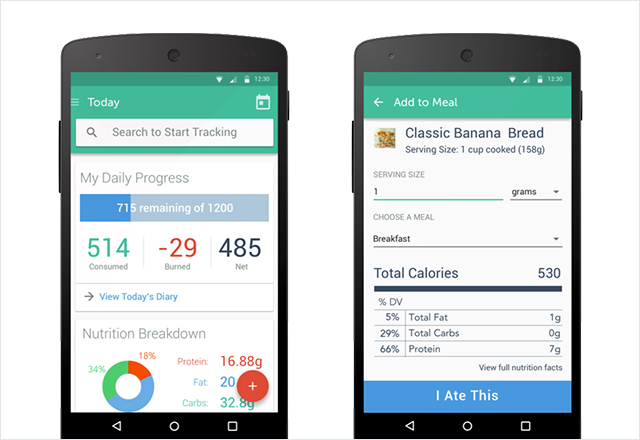
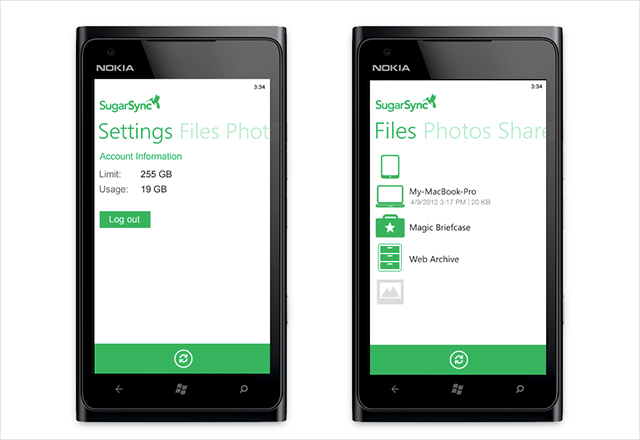
1. Native Apps: Native apps are dedicated to a specific mobile platform where particular technologies and programming languages are used. These apps cater to specific operating systems such as Android or iOS. They can be classified into three further categories:
a. iOS apps work on Xcode and are based on Objective-C or Swift.
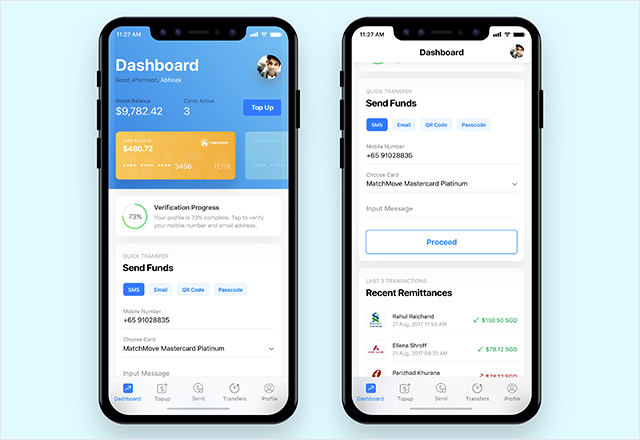
b. Android works on Android Studio and is based on Java and XML.
c. Windows Phone based on .NET, C#, HTML5, and CSS3 and work on Visual Studio.
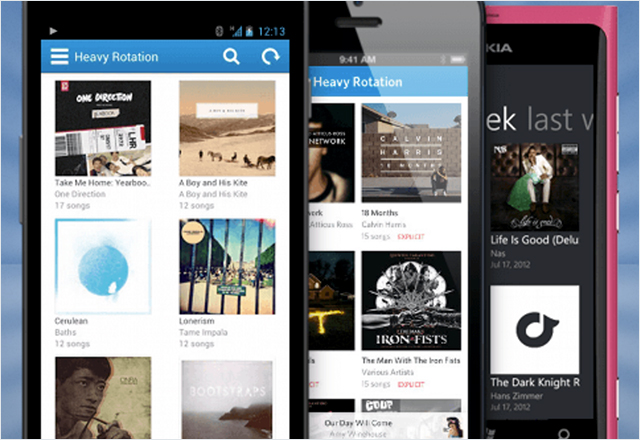
2. Hybrid Apps: Hybrid apps combine elements of native and web applications. They are based mainly on today’s most promising technologies, such as Xamarin, Ionic, React Native, Angular Mobile, Sencha Touch, etc. It is considered to have faster development time than native apps.
3. Web Apps: Web apps behave similarly to native apps and are client-server computer programs. They need a browser to run and are usually written in CSS, JavaScript, or HTML5. Webmail, online auctions, and online retail sales are some commonly known web applications. Online shopping, email, social networking platforms, and banking are few of the examples of web apps.
4. Cross-platform apps: Coss-platform apps are known for its compatibility with multiple operating systems such as Android and iOS using a single codebase. Flutter, React Native, Ionic, Xamarin, Kotlin Multiplatform, Apache Cordova, Node.js and Framework7 are the prime examples of cross-platform app solutions. It is considered as the cost-effective option for businesses looking to develop apps to host on multiple operating systems.
Top Categories of Apps
In the second quarter of 2024, Statista reports that there are 2.26 million apps available on the Google play store for Android users, whereas iOS users can choose between nearly two million iOS apps in the Apple App Store. Have a look at the image below, which shows the top six app categories on the Google Play Store that are currently securing more than 5% of user engagement.
.png)
(Source: Statista)
App Development Software – To Create Free and Paid Apps
The app-building software industry is robust and varied. At present, it offers an influx of web and mobile app development software programs with a comfortable drag-and-drop facility, 1000+ design templates and style facilities, and many other powerful features. It lets busy entrepreneurs and small and medium-sized business owners who are wearing multiple hats create responsive and custom-branded mobile apps at ease. Even startup businesses have started utilizing app-building solutions to remain more connected to their customers.
According to Statista, the Ecommerce market revenue is expected to reach 4.96 trillion USD with an annual growth rate of 6.29% in the next 5 years (2025-2030) worldwide. Due to easy and secure online shopping facilities, people are more inclined to shop online than to visit stores. Similarly, gaming, ordering food, and even booking tours have become quite simple and interesting through mobile applications.
Steps for Developing an App
The steps given below will help you go through the process of developing an app.
1. Research the market trends
2. Pick an app idea.
3. Define the core functionalities that you want in the app, whether for real estate, hotels, or travel.
4. Create a rough sketch of your app.
5. Plan the UI flow.
6. Design the database.
7. Plan the front end with UX Wireframes.
8. Design UI.
9. Research the programming solutions.
10. Build the app.
11. Test and debug the app.
12. Launch the app.
13. Get the feedback from users
14. Take actions to improve the app based on user reviews and ratings
Free open-source mobile app builder platforms enable you to create apps easily, efficiently, and cost-effectively. They give you an immense opportunity to customize your app and add the desired features effortlessly.
If you are new to the app-building arena, you must pay attention to this design-led engineering process.
1. Deeply research your market.
2. Define your target audience and the elevator pitch.
3. Choose the type of app for your business: native, hybrid, or web app.
4. Check your budget.
5. Develop your marketing strategy and pre-launch buzz for the app.
6. Plan for the app store optimization.
7. Know about your resources.
8. Ensure security measures.
9. Get in touch with the top mobile app development company
Application Development Software Market
According to Statista, the application development software market is projected to reach 195.77 billion USD across the globe. The report says that this market is expected to experience an annual growth rate of 5.09% in the 5 years(2025 to 2030) span. With the revolution of emerging technology app demand of users has been transformed requiring modern features and advanced elements that enable powerful user experience.
More and more enterprises and developers are taking complete advantage of app development software solutions. These platforms provide a wide range of features, such as auto-scaling orchestrators, load balancers, In-Memory Data Grids (IMDGs), and automated deployment tools. This market is obviously set to grow further, as the open source communities and vendors offer reliable, innovative, user-friendly, and specialized platforms to support the modern as well as real-time application requirements.
What are the best app development software solutions?
Before you begin searching for the best app development software programs ruling the industry, here are the types of tools you can benefit from;
1. Cross-platform app development tools
2. iOS app development tools
3. App development frameworks
4. Mobile analytics tools
5. Advertising tools
6. AR (Augmented Reality) tools
7. AI (Artificial Intelligence) tools
8. Mobile payment tools
9. Push notification tools
10. Game engines
How do you pick an app development software solution?
Every app development software program has its own uniqueness. To understand it better and to pick the one that fits you, you need to do a bit of homework. Take tips from the following points;
1. Application Privacy and Security: Not all business apps, but some specific applications need unique security and privacy options. If you find any compliance issues related to your business, discuss them with the representative of your potential app creator.
2. Reseller Options: All apps involving DIY creation or third-party development options do not offer a reseller facility. So, your creation service should have a reseller option if you have chosen them for either designing a gaming app or a white-label app.
3. Push Notifications: Push notifications keep you engaged with customers and notify them about your firm’s promotional and sales events and new products and services arriving in the market. The majority of app creation services allow for push notifications.
4. Loyalty Programs or Customer Discounts: Many times, product-driven businesses offer customers new client discounts and loyalty programs. The majority of app creation services also integrate these programs into your app. Hence, it becomes easier to track customers' involvement in loyalty programs and more comfortable for customers to benefit from those programs.
5. Instant Messaging Capabilities: Not all companies provide instant messaging capabilities to their customers. So, if it is a vital feature for your business, then try finding a mobile app development company or developer that can offer you the option of instant messaging.
6. Geo-targeting: If your business has multiple locations or customers across different regions, geo-targeting can become a valuable feature. It lets you communicate with your clients based on their site and tailor your message quickly to different segments.
7. Social Media Integration: Most app creators can integrate your app with most social media platforms, such as Facebook and Instagram. This feature helps potential customers download your app and receive the required marketing material. It will also help your business connect with your followers and market your offerings.
8. Third-Party App Integration: Many apps created for private business utility need further integration with proprietary apps and business-focused apps. Hence, if you are going to develop an app for internal business requirements, make sure it offers integration capabilities. Otherwise, it should let you connect your original app to Google Maps or other Google services.
9. Analytics and Reporting: Most app development software platforms offer analytics and reporting services. These reports will help you know about your customer base and reach them more effectively. If analytics is imperative for your business app, make sure to consider the type of reports included in the subscription fee.
10. Admin Controls: Internal employee applications vitally need administrative controls. You should know the procedure for accessing admin controls and the facilities available. It is always ideal to choose permission-based access control.
11. Customer Service: Before choosing app development software, you should understand the level of customer service offered by the provider. Some of the best companies offer 24/7 chat, email, and phone support services.
So, now you know how to pick the best app development software solution that meets your requirements.
However, if you are looking for free options, the table below lists some of the best free and open-source app development software solutions to help you make the right decision.
The Comparison of the best 7 free and open source App Development Software

The 7 best free and open-source app development software are given below.
1. Apache Cordova
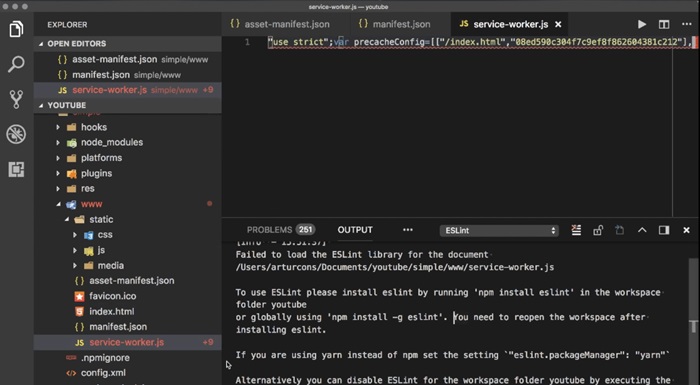
Apache Cordova is a renowned mobile application development framework initially created by Nitobi. The framework is written in C#, C++, CSS, HTML, Java, JavaScript, and Objective-C and runs on Android, iOS, Windows 8.1, Phone 8.1 and 10, OS X, and Electron (software framework). The latest stable version, i.e., 14.0.0, was released on March 26, 2025. It is available in the English language and licensed as per the Apache License 2.0. This platform is widely used by businesses for app development purposes owing to its cross-platform compatibility.
(Source: Apache Cordova)
Highlights:
- Apache Cordova facilitates creating mobile apps with HTML, CSS, and JS and targets multiple platforms with one code base.
- The software framework can be extended with native plug-ins so that developers can add more functionality to the app.
- The command-line interface allows users to create new projects, build them on different platforms, and run them on different devices or within emulators.
- A set of Cordova core components creates the app's base, allowing sufficient time to implement the development task.
- Support for offline scenarios
- Embed Cordova in native apps through webview.
- Merges function to customize each platform
- Inbuilt self-signed Certificates and encrypted storage
- Preexisting app development templates
- Free and Open source Framework
- Known for reusable code across multiple platforms
- Comes with security and privacy
2. Buildfire.js
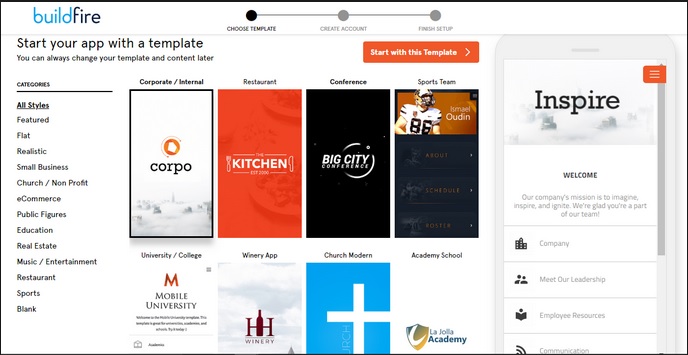
Buildfire is a fully customizable, 100% free, simple, and intuitive app creator for Android, iOS, and progressive web apps. The software facilitates elegant drag-and-drop UI, and this platform currently supports more than 10,000 apps. This platform can be used to build a wide range of custom mobile applications for business workflows, employee communication, content creation, e-commerce, fitness, etc.
(Source: Buildfire)
Highlights:
- Buildfire is custom app development software for seasoned app makers as well as for beginners.
- It facilitates the BuildFire Lockdown feature for app security and compliance.
- The app restricts user access to selected content.
- BuildFire Connect feature provides robust experiences by integrating or extending any element in your app.
- The app can be combined with any third-party API’s or pre-built integrations.
- Interactive emulator to build apps in real-time
- Fully customizable UI
- Supports in-app purchase components
- Shopify integration
- Activity-based and Drip notifications
- Advanced analytics to track downloads, plugin usage, monitor CTR, etc.
- Single Sign On facility
- Allows App monetization
- Send notification targeting specific user groups
3. Ionic Framework
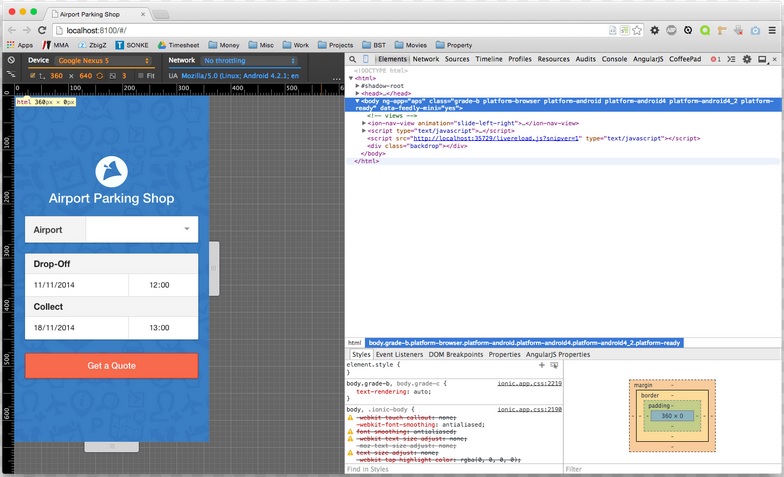
Ionic is a complete open-source SDK for hybrid mobile app development. Its creators, Max Lynch, Ben Sperry, and Adam Bradley of Drifty Co, initially released it in 2013. The latest stable version of Ionic is 8.7.3, which was released on August 20, 2025. It is written in JavaScript and covered by the MIT license. It comes with robust app development components such as sliders, alerts, checkboxes, toggles, etc., for efficient cross-platform UI.
(Source: Ionic Framework)
Highlights:
- Ionic is an ‘npm’ module, and for installation, it requires Node.js.
- Ionic apps run with a mix of web and native code, and they provide full access to the native functionality with the app's UI.
- Ionic allows Cordova-based app building and deployment with a simplified ‘Ionic’ command line tool.
- The software includes interactive paradigms, typography, mobile components, and an extensible base theme.
- Enhanced editor tooling for better editing, development, and customization
- On-device hot refresh to quickly oversee changes
- Pre-built iOS and material design themes
- Supports native device plugins
- Compatible with JavaScript frameworks like Vue, React, and Angular
- Work across multiple platforms including iOS, Android and web
- Provides advanced UI controls, Interactions, Gestures, and Animations
4. Framework7
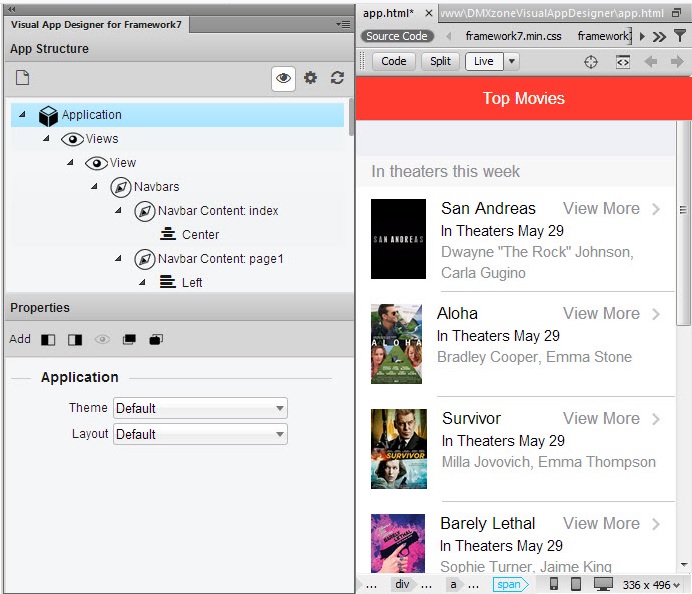
Framework7 is an astonishing HTML framework created by Vladimir Kharlampidi for building Android and iOS apps. It is a free and open-source framework for developing mobile, desktop, and web apps with a native look and feel. It works on HTML, CSS, and JavaScript, holds an MIT license, and its latest version, v8.3.4, was released on September 18, 2024. The platform also supports Vue.js, React, and Svelte components and offers stunning sets of UI elements.
(Source: Framework7)
Highlights:
- The software provides easy view management and navigation support facility.
- The built-in FastClick library helps in handling click delays for touch UIs.
- The software provides easy and familiar syntax for users who are familiar with JQuery to get started quickly.
- It facilitates a built-in layout grid system and customizable themes and color schemes.
- The flexible router helps in loading pages from templates and provides hardware accelerated CSS animations and transitions.
- Premium templates & plugins
- Back navigation
- Configure opened breakpoints
- New simplified grid layout and sizes
- Indispensable prototyping tool
- Compatible for iOS, Android and Desktop Apps
- Supports core js, Vue, React, and Svelte
- Provides custom color theme
5. NativeScript
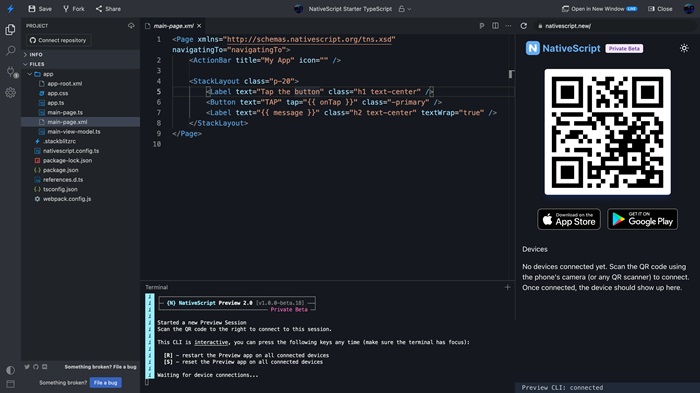
NativeScript is one of the best open-source app development frameworks for developing native iOS apps and Android apps with JavaScript, Angular, Vue.js, and TypeScript. The software provides a complete suite of professional services. Architectural assistance, in-person training, troubleshooting, performance analysis and application design and development are its scope of work. Developers have also been actively using this development platform for AndroidTV development, Vision Pro app development, and watchOS development.
(Source: NativeScript)
Highlights:
- NativeScript platform is shipped with a rich set of cross-platform tools to build iOS and Android apps rapidly.
- NativeScript Theme Builder visually customizes the built-in themes.
- The software supports a robust CSS-based styling system.
- The software allows users to directly access all Native platform APIs from the code.
- The software uses native controls, and its applications are usable with screen reader technology.
- Easy to set and use
- Automated tooling to add and scale plugins
- Numerous layout containers and navigation components
- Wide range of preexisting templates
- Supports multithreading and code-sharing features
- Compatible with JavaScript, TypeScript, Angular, Vue, Solid, React, Svelte, and Ionic
- Operable on StackBlitz and local environment
6. Flutter
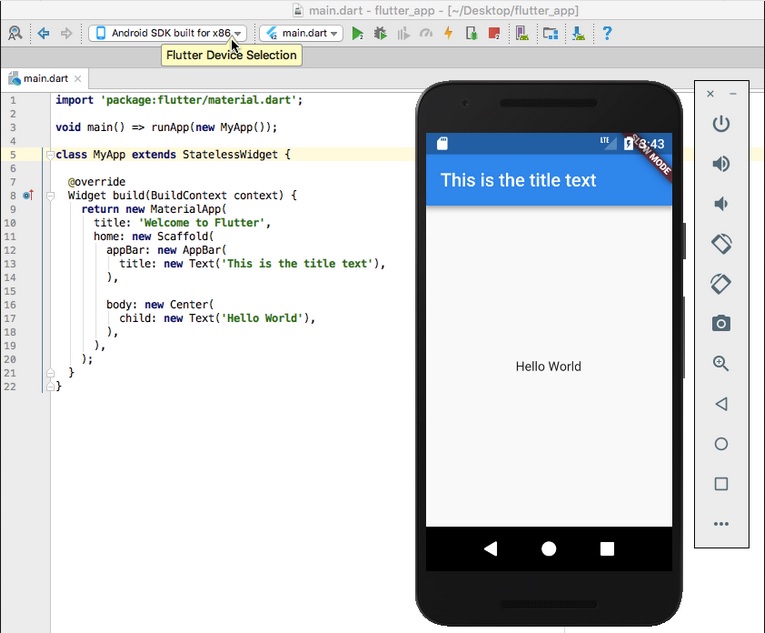
As Google’s portable UI kit- Flutter software is used for developing native mobile, web, and desktop apps from a single codebase. It is a free and open-source mobile application development framework written in C, C++, Dart, and Skia Graphics Engine. It works on Windows, MacOS, and Linux and can be used to develop applications for Android, iOS, and Google Fuchsia platforms. The latest stable version is 3.35.0, which was released on August 14, 2025.
(Source: Flutter)
Highlights:
- Flutter software performance facilitates the fast development of native apps with fully customizable widgets.
- It promotes native end-user experiences with incredibly fast rendering expressive and flexible designs.
- The software system's widgets incorporate all critical platform differences, such as icons, scrolling, navigation, and fonts, to provide ideal native performance.
- Dart platform, Flutter engine, foundation library, and design-specific widgets are significant components of this software system
- Uses a single codebase to deploy apps on multiple devices
- Fully automated developer tooling and testing
- Seamless integration with Google Apps
- Deep linking to enhance user experience
- Predictive back gesture for Android
- Deeper integration, native fidelity and hot reload on web
7. React Native
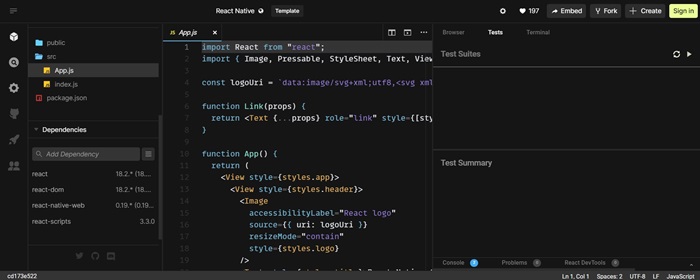
Created by Meta, React Native is an open-source, JavaScript-based mobile app framework for developing native apps for Android and iOS. Native components like Image, Text, and View greatly help developers reuse the UI component code and map directly to the platforms' native UI building blocks. The latest version of React Native is 0.81, which was released on August 12, 2025. Applications like Facebook, Skype, Shopify, Microsoft Teams, WordPress, etc., are based on the React Native framework.
(Source: React Native)
Highlights:
- Powerful tool for cross-platform app development
- Supports Yoga 3.0, Bridgeless by Default, and Batched on layout Updates architecture
- In-built Kotlin templates for Android app development
- Android 16 support
- Comes with a lot of Android and iOS classes, components, and APIs
- File-based routing to manage screens with minimal boilerplate
- 50+ modules for native application development
- Seamlessly works with Expo Go and expo-dev-client
- Scroll and list views to display long and short-form data
- Can integrate with third-party tools, extensions, and plugins
- Android, iOS, TV and Web Platform Support
- Development OS support for Windows, macOS, and Linux and Target OS Android & iOS
App Development Software for Different Industries
App Development Software for Ecommerce Industry
The majority of the customers in the Ecommerce market are mobile users and expect a quality mobile shopping experience. There are effective app development software solutions that can help mobile users seamlessly shop online.
1. Shopify
Shopify is the best software that helps create user-friendly mobile applications for an Ecommerce store. Shopify offers multiple inventory location support to assist businesses that have stock storage in more than two locations. Its 2nd and 3rd party payment providers make it easier for businesses to integrate with Shopify to offer a smooth checkout process, according to the convenience of the customers. Modern AI integration in the Shopify store enables a personalized experience for customers.
2. BigCommerce
BigCommerce is one of the premier app development software that offers a quality shopping experience to customers with intuitive app creation. BigCommerce offers sales channel support to eBay, Amazon, and POS enabling market reach of your business. The fully customizable checkout makes the buying process more efficient leading to increase in the revenue. With the assistance of customer groups and segmentation functionalities, online stores can retain customers and improve ROI.
App Development Software for Gaming Industry
The gaming industry is now shifting more towards creating mobile-based gaming apps with the rise of AAA, AR/VR, and Web 3 games. Through these modern app development software solutions, the gaming industry has introduced advanced level engaging mobile gaming experience.
1. Unreal Engine
Unreal Engine is a prominent name among the best mobile gaming app development advanced real-time creation tools. Unreal Engine comes with high fidelity mobile game creation capabilities having photorealistic graphics and complex mechanisms that need premium devices to create these games. Also, it provides complete C++ source code with advanced graphics to build high quality and performance oriented cross platform mobile games.
2. Unity
Unity is a beginner friendly game development software known for building 2D, 3D, and visually stunning mobile games using C# scripting. There are 3.6 billion downloads per month of the games created with Unity applications. Unity is known for its versatility and use in a wide range of different game projects. Unity offers game enhancement with AI enabling robust performance and more personalized experience to engage players.
App Development Software for Insurance Industry
The insurance Industry can boost insurance subscriptions, claim process, and renewal process online with app development software. These app development software had empowered the industry with operational efficiency, customer engagement, cost reduction and modern tech possibilities.
1. Appian
Appian is known for the low-code app creation, with faster app development, and is more effective for the insurance industry. The software is compatible across web and native mobile to build an app once and deploy it on any device or browser. It allows smooth management of data and ensures quick access to the information needed. Complex business applications can be created with low code and high power, optimizing performance.
2. Flutter
Flutter is one of the best app development software that can be used by the insurance industry for modern app creation. With its multi-platform support, it offers mobile app development on iOS and Android providing high quality and performance. It provides easy google integration enabling additional features and functionalities. Flutter offers generative AI-based features making it convenient and the best go to solutions for the modern app creation.
App Development Software for Fashion Industry
The fashion industry revolution has united different cultures, regions, and people with unique and creative fashion trends in the world. With app development software, businesses have provided a way to connect, communicate, and create new things with ease. Now, with modern 3D and realistic fashion design app creation software the industry is booming like never before.
1. CLO 3D
Clo 3D is the best app creation software that builds quality virtual fashion applications with user-friendly interface. Clo 3D offers student, individual, enterprise, and academic plans to build design-oriented applications. Clo 3d provides 3D garment simulation technology assisting fashion designing, cosplay community, and fashion enthusiasts looking to build modern apps.
2. Browzwear
Browzwear is one of the prominent application programming interfaces that builds leading-edge applications for the fashion industry. The platform comes with a markdown format of documentation turning complexities into simple. Browzwear provides library files for C/C++ plugin to enhance code editing and navigation. Also, the platform offers sample plugins in C++, Python, and C#.
App Development Software for Education Industry
To make learning easy and accessible for all people, there are app creation software with LMS integration to offer a smooth education experience. Through this software, educational institutes can provide online learning, tutorials, and recorded sessions boosting learning efficiency.
1. Zoho App Creator
Zoho App Creator is a popular app development software that can build cutting-edge applications for the education industry. The Zoho creator offers privacy, security, and governance with a strong password policy, data encryption, multi-factor authentication, and more. The software comes with custom AI models to power your app with modern market technologies to stay competitive in the market.
2. Mendix
Mendix is one of the best app development platforms used by the Education industry to build modern applications. This low-code platform provides data activity monitoring, privacy and security of the information. The platform comes with digital & automated workflows, manual & legacy processes, external compliance requirements, and more. With enhanced AI/ML capabilities businesses offer cutting modern app building solutions that boost the growth of the education industry.
Conclusion:
The impact of IoT, AI, and ML, and their broader reach, has become the driving force behind the growth of mobile apps. Instead of downloading apps, the concept of Instant Apps—ready-to-use, composable applications—is emerging today as a revolutionary measure in the field of app development.
The low-code approach will be in immense prevalence in the coming era of mobile app creator software programs.
Due to the demand for quality apps, almost all apps undergo constant revisions and optimization. App development is growing big, and so are the app development software solutions. So, go ahead and pick the one that suits your needs. If you wish to explore more, then have a look at our all-inclusive list of the best app development software solutions.