Key takeaways
- Influencer agencies negotiate payments, deliverables, and campaign terms, while entertainment contract lawyers provide legal advice and assess contract risks.
- Hire an influencer contract lawyer for high-value deals, long-term partnerships, extensive content licensing, or restrictive exclusivity clauses.
- Review content usage rights, payment terms, cancellation fees, liability, and termination clauses before signing a creator contract.
- Entertainment lawyers may charge 150–800+ per hour, while flat-fee reviews and monthly retainers offer alternative pricing models.
- Watch for perpetual content rights, unclear payment terms, excessive penalties, and clauses allowing brands to use your AI-generated likeness without clear consent or compensation.
Imagine a brand offers you a great deal. The payment looks good, the campaign sounds exciting, and your agency also says that the terms are manageable. Then comes the stage where you start reading every detail of the contract. The brand wants broad rights to your content, exclusivity that could block future deals, and terms you don't fully understand.
Your influencer agency can negotiate commercial terms, but can it tell you what those clauses mean legally? That's where the need for an entertainment lawyer may arise. Not every creator contract requires legal review, but the wrong agreement can cost you more than you expect.
This guide explains what influencer agencies can and can't negotiate, when to hire entertainment contract lawyers, and which contract terms deserve a closer look.
Looking for professional support with brand partnerships? Explore the best influencer marketing agencies on Goodfirms to find agencies that can help you navigate influencer campaigns and collaborations.
What Does an Influencer Agency's Contract Support Actually Cover?
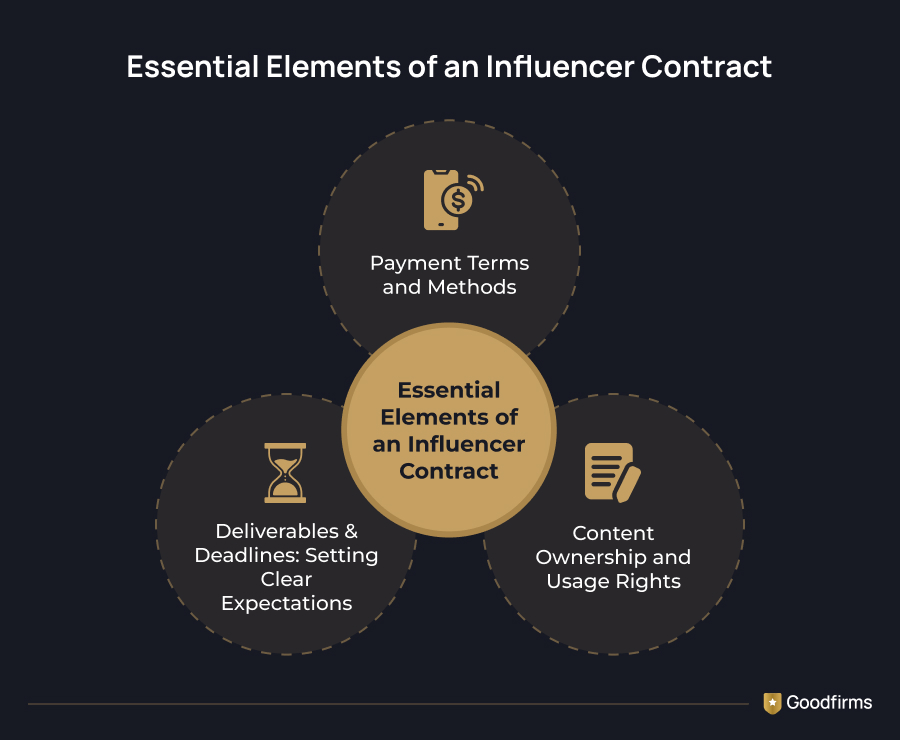
An influencer agency can help creators negotiate brand deals, clarify deliverables, and agree on payment terms before signing a contract. Its contract support typically covers campaign timelines, content formats, revision limits, approval processes, and deadlines. Since agencies manage brand partnerships regularly, they can often spot unclear expectations that might cause problems later.
However, agency support is not the same as legal advice. An account manager may flag vague usage rights or restrictive exclusivity terms, but that doesn't automatically mean they can assess enforceability, explain legal liability, or represent a creator in a dispute. These responsibilities may require an entertainment lawyer with experience in influencer contracts.
For straightforward campaigns, an agency's contract support may be sufficient for coordinating business terms. When an Instagram or TikTok creator contract involves long-term commitments, extensive content licensing, or significant financial risks, independent legal review can help creators understand what they're agreeing to before signing.
When Should You Hire an Entertainment Contract Lawyer for a Creator Contract?
Not every brand deal requires an entertainment contract lawyer, but some agreements carry risks that an influencer agency's contract support may not fully address. However, in such cases, an entertainment lawyer for influencers can review the legal terms, explain potential liabilities, and help negotiate protections before you sign.
When the Deal Involves Significant Money
A high-value brand partnership can involve payment milestones, performance requirements, cancellation fees, and penalties for missed deliverables. An influencer contract lawyer can review these terms to help you understand your financial obligations and what happens if either party fails to meet them.
When Brands Request Extensive Content Rights
Some brand deals allow companies to reuse creator content in paid advertisements across multiple platforms or for an extended period. Before agreeing to these terms, a content creator lawyer can review the licensing language, clarify ownership, and identify restrictions that could affect future opportunities.
When Exclusivity Limits Future Partnerships
An exclusivity clause may prevent you from working with competing brands for a specified period. If the restriction is broad or could limit your income from other partnerships, an entertainment lawyer can help assess its scope and negotiate more reasonable terms.
When Signing Long-Term or Complex Agreements
Multi-year ambassador deals, international partnerships, and contracts involving several platforms can introduce complicated renewal, termination, payment, and compliance terms. A lawyer experienced in creator contracts can help you understand these obligations before committing to a long-term arrangement.
When a Contract Contains Unclear or Unfavorable Terms
If you cannot clearly understand a liability clause, termination provision, or dispute-resolution requirement, don't rely solely on an agency's explanation. A creator contract review by a qualified lawyer can help clarify the legal implications and identify terms worth negotiating before you sign.
Which Creator Contract Clauses Should You Review Before Signing?
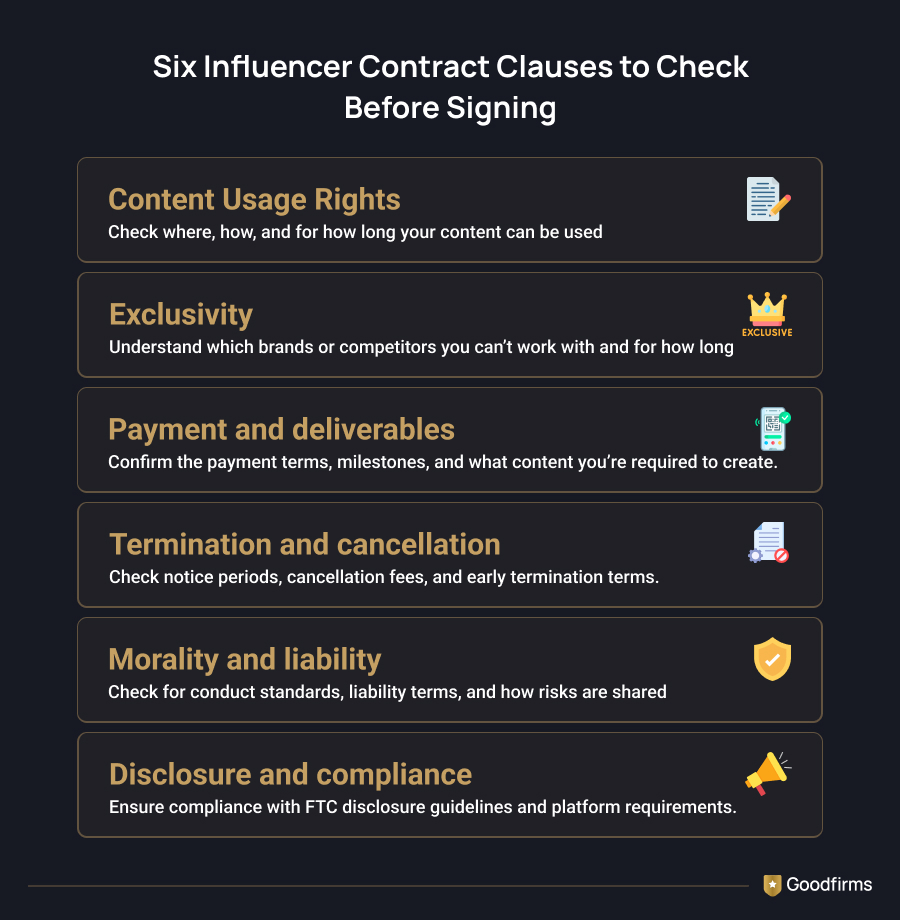
Before signing an influencer contract, look beyond the payment amount and campaign deliverables. Certain clauses determine how a brand can use your content, which other companies you can work with, and what happens if the partnership ends unexpectedly. A thorough influencer contract review can help you spot risks before they become disputes.
Content Usage Rights and Licensing Duration
A brand may request permission to repost your content organically, use it in paid advertisements, or distribute it across multiple channels. Check which platforms the license covers, how long the rights last, and whether the brand can edit, sublicense, or reuse your content after the campaign ends. Words such as "in perpetuity" may grant ongoing rights, so understand the scope before agreeing. A creator contract review can help clarify whether the proposed license matches your expectations.
Exclusivity and Non-Compete Restrictions
An exclusivity clause may prevent you from promoting competing products for a specified period. Check which brands or product categories are covered, how long the restriction lasts, and whether it applies beyond the campaign. Broad restrictions could limit your ability to accept future sponsorships. If the terms seem excessive, an influencer contract lawyer can help you assess and negotiate their scope.
Payment Terms and Deliverables
Your influencer contract should clearly state the fee, payment deadlines, deliverables, revision limits, and approval process. Check whether payment depends on publishing content, receiving brand approval, or meeting performance targets. The agreement should also explain how additional work is handled and what happens if the brand delays feedback or payment.
Termination and Cancellation Fees
Campaigns can be canceled even after you've invested time in planning or producing content. Check when either party can terminate the agreement, how much notice is required, and whether you will be paid for completed work. A clearly defined cancellation fee or kill fee can help protect your income if a brand ends the campaign early.
Morality Clauses and Liability
Morality clauses may allow a brand to terminate a partnership over conduct it believes could harm its reputation. Review how that conduct is defined and whether the clause gives the brand broad discretion to cancel payment or end the deal. Also examine indemnity and liability provisions to understand which losses you could be responsible for if a dispute arises.
Disclosure and Compliance Obligations
Creator contracts should explain the expectations for disclosing sponsored content and complying with applicable advertising rules. Clarify who is responsible for providing disclosure instructions and ensuring that posts meet relevant requirements. However, contractual allocation of responsibilities does not necessarily remove your own legal obligations. If the wording is unclear, seek advice from an entertainment lawyer for content creators before signing.
Does Your Influencer Agency Agreement Protect Your Interests?
Your influencer agency agreement defines how you and your agency work together. Before signing, review the commission structure, exclusivity requirements, termination conditions, and the agency's authority to negotiate or sign brand deals on your behalf.
A well-drafted talent management agreement for influencers should also explain how long the relationship lasts, whether you can work with other representatives, and what happens to ongoing partnerships if you leave. Check that the terms of your influencer agreement clearly define your rights and responsibilities rather than relying on verbal assurances.
If any clauses seem restrictive or unclear, consider asking entertainment contract lawyers to review the agreement before signing. Independent legal advice can help you understand your obligations and identify terms worth negotiating.
Do You Need Entertainment Contract Lawyers for Every Brand Deal?
No, not every brand deal requires an entertainment lawyer. Whether you need one depends on the contract's complexity, potential risks, and the rights you're agreeing to.
- Simple, one-time collaborations: A micro-influencer accepting a sponsored post with clear deliverables, payment terms, and limited content usage may not need a full legal review.
- Long-term brand partnerships: Macro-influencers signing ambassador agreements should pay close attention to exclusivity, renewal terms, termination conditions, and restrictions on future collaborations.
- Content licensing and usage rights: If a brand wants to reuse your content in paid ads, across multiple platforms, or indefinitely, a lawyer can help clarify the scope of those rights.
- Deals through influencer marketing agencies: Even when working with Instagram influencer marketing agencies, creators should understand what contract support is included and whether independent legal advice is necessary.
- Platform-specific brand deals: Creators working with brands on TikTok or other social platforms should clarify content usage rights, exclusivity, and payment terms before signing. Brands looking for campaign support can explore TikTok influencer marketing agencies to find suitable partners.
- Unclear or restrictive clauses: If the agreement contains confusing liability terms, substantial cancellation penalties, or restrictions that could affect future earnings, consider seeking legal advice before signing.
Ultimately, assess each influencer contract individually. An agency can help negotiate business terms, but entertainment contract lawyers can provide legal advice tailored to your situation.
How Much Does Entertainment Contract Lawyers Cost Compared With Agency Support?
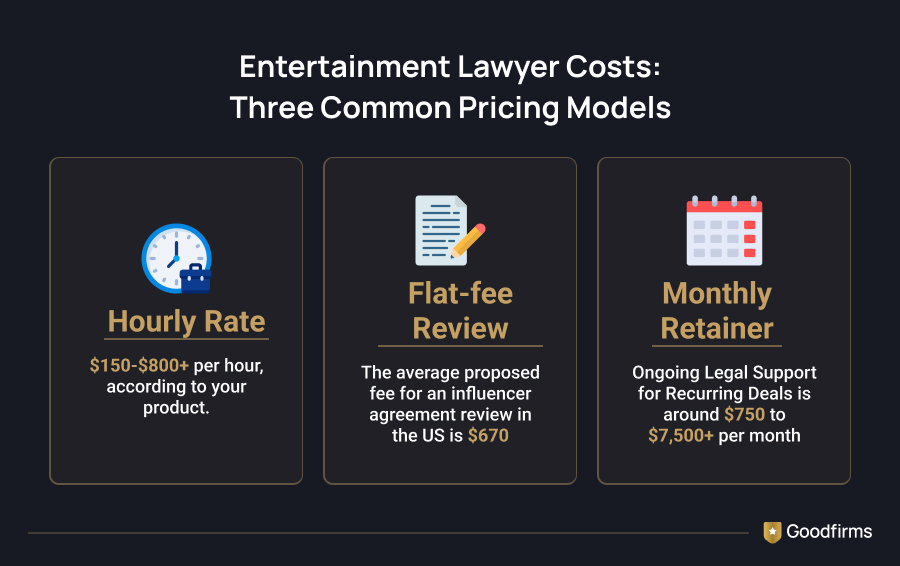
The cost of hiring an entertainment contract lawyer is roughly 5% of your contract value or $150 to $800+ per hour; however, the exact cost depends on the type of service, the contract's complexity, and the time required. Here are some factors that explain how fees typically differ across pricing models.
1. Hourly Rates
Entertainment lawyers may charge $150-$800 or more per hour, depending on their experience, location, and specialization. Junior lawyers or those handling straightforward reviews may charge between $150 and $250 per hour, while experienced specialists in major markets may charge considerably more.
Hourly billing is common when a creator needs advice on specific clauses, revisions to an influencer contract, or support with negotiations. The final cost depends on how many hours the work requires
2. Flat-Fee Contract Reviews
A lawyer may offer a fixed fee to review a brand deal or creator contract. ContractsCounsel reported an average proposed fee of $670 for an influencer agreement review in the US, based on bids recorded in July 2026.
The price can increase when the agreement contains complex licensing terms, exclusivity restrictions, indemnity clauses, or multiple rounds of negotiation.
3. Contract Drafting and Negotiation
Drafting an agreement from scratch generally requires more work than reviewing an existing contract. Costs depend on the number of clauses, negotiation rounds, payment arrangements, and rights involved. Multi-platform campaigns and long-term ambassador agreements may require more extensive legal support.
4. Retainers for Ongoing Legal Support
Creators who negotiate brand partnerships regularly may consider a monthly retainer. The fee depends on the number of contracts covered, access to legal advice, and whether active negotiations or drafting are included.
5. Influencer Agency Commissions and Service Fees
Influencer agencies may charge commissions on deals they negotiate, fixed service fees, or retainers. Traditional talent agencies sometimes use percentage-based commissions, but rates vary by agreement and industry. Contract support may be included in the agency's fee or charged separately.
Before comparing costs, confirm exactly what each arrangement covers. Agency negotiation support and independent legal advice serve different purposes.
What Contract Red Flags Should Make You Seek Legal Advice?
Before signing a creator contract, look beyond the payment amount and campaign deliverables. Certain clauses can limit your future earnings, transfer control over your content, or leave you responsible for unexpected costs. Seek legal advice if you notice any of these red flags:
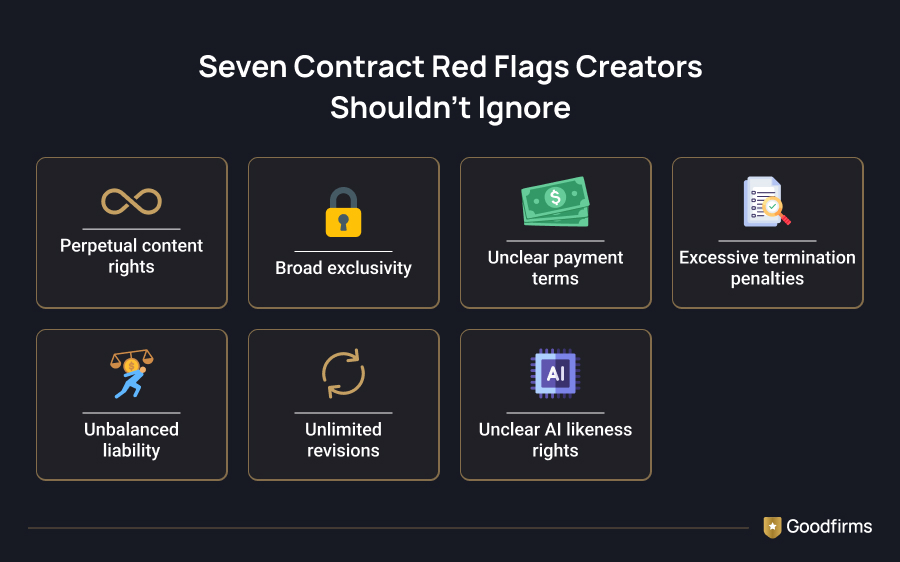
- Perpetual or unlimited content rights: A brand wants to use your content indefinitely, across platforms, or in paid advertising without additional compensation. Ask an entertainment lawyer to clarify the scope and duration of the license.
- Broad exclusivity clauses: The agreement prevents you from working with competing brands for an extended period, which can affect future sponsorships and income.
- Unclear payment terms: The contract does not specify payment deadlines, approval conditions, late-payment consequences, or whether you will be paid if a campaign is cancelled.
- Unreasonable termination penalties: You could face substantial fees or lose payment for work already completed if either party ends the agreement.
- Unbalanced liability clauses: You are held responsible for legal claims, losses, or damages beyond your reasonable control, without similar protections from the brand.
- Unrestricted changes to deliverables: The brand can demand unlimited revisions, additional content, or extra work without agreeing to additional payment.
- Unclear AI usage rights: The contract allows a brand to use AI influencers, digital replicas, or AI-generated versions of your likeness and voice without clearly defining consent, usage limits, compensation, and ownership. Get legal advice before agreeing to terms that could affect your identity or reputation.
If a clause is vague, unusually restrictive, or difficult to understand, ask for clarification before signing. An influencer agency may help negotiate commercial terms, but a qualified lawyer can explain the legal implications and help you assess the risks.
FAQs: Entertainment Lawyer for Creator Contracts
What should an influencer contract include?
An influencer contract should clearly outline deliverables, payment terms, deadlines, content usage rights, exclusivity, and termination conditions. It should also explain the approval process, disclosure obligations, and what happens if either party fails to meet its commitments.
Who owns the content created for a brand deal?
Content ownership depends on the contract and the applicable law. A creator may retain copyright while granting a brand permission to use the content, or the agreement may transfer certain rights to the brand, so check the ownership and licensing terms before signing.
What happens if a brand doesn't pay an influencer?
If a brand fails to pay an influencer as agreed, the creator can review the contract's payment and dispute-resolution terms and send a written request for the overdue amount. If the issue remains unresolved, a lawyer can explain the available options based on the agreement and applicable law.
Can you negotiate the terms of an influencer contract?
Yes, influencers can often negotiate contract terms before signing, including payment, deliverables, content usage rights, exclusivity, and cancellation fees. An influencer agency may handle commercial negotiations, while a lawyer can help assess legal risks and negotiate more complex provisions.
Can you terminate an influencer contract early?
An influencer contract may be terminated early if the agreement permits it or another legal basis for termination applies. Review the notice requirements, termination rights, outstanding payments, and potential penalties before ending the agreement, and seek legal advice if the terms are unclear.
Before You Sign Your Next Brand Deal
A brand deal should help you grow, not leave you guessing about your rights. Before signing your next deal, ensure you check the payment terms, content usage rights, exclusivity, and exit conditions.
Need help finding the right partners? Explore top social media marketing agencies to discover agencies that can support your marketing goals.
And remember: your agency can negotiate the deal, but entertainment contract lawyers can help you understand the legal risks. When in doubt, get clarity before you sign, not after a problem arises.