Fashion ecommerce in India looks nothing like it did five years ago. Back then, buying clothes from ecommerce companies meant waiting weeks for delivery and hoping the size would fit. Most fashion ecommerce happened in big cities. Small towns were stuck to local markets and mall visits.
Things are not the same now. Now your neighborhood delivery person drops off fashion packages in places that barely had reliable electricity a decade ago.
The pace keeps accelerating. Brands launch new collections weekly instead of seasonally. Delivery times dropped from weeks to hours in some cities.
On the other hand, customers expect their shopping apps to know their exact style preferences. Sustainability went from nice-to-have to deal-breaker for many shoppers.
All these shifts create huge opportunities for brands willing to adapt quickly. It also makes competition intense. To stay relevant in the market, find out what is driving these changes and how successful brands are responding in this blog.
The Numbers That Tell the Real Story
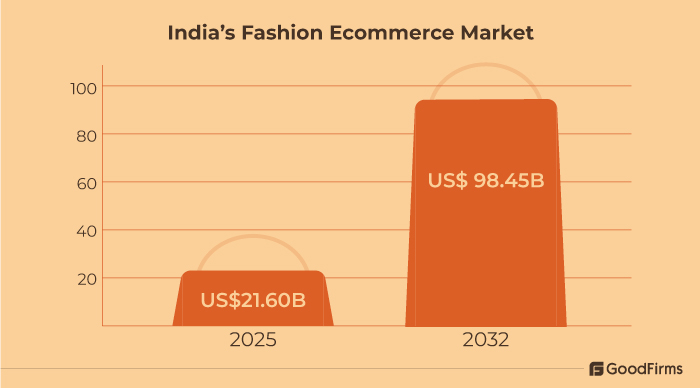
Here's something that caught my attention: India's fashion ecommerce market hit US$21.60 billion this year. By 2032, it will be around US$ 98.45 billion, which is a CAGR of 24.2%.
But the really interesting part? Trend-driven fashion alone will jump from where it is now to somewhere between US$ 8-10 billion by 2028. Most of that growth comes from online sales. Physical stores still matter, but the real action happens on screens.
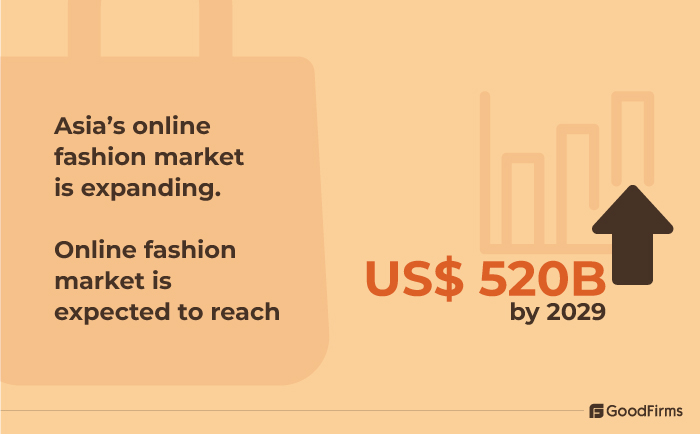
Look at Asia as a whole, and the picture gets even bigger. We are heading toward a US$ 520 billion online fashion market by 2029. Here's what will blow your mind: mobile shopping accounts for 70% of those sales. Social media directly influences one out of every five purchases people make.
India sits right in the middle of this boom. Over 400 million people shop online here regularly. That's more than the entire population of most countries.
What does this mean for fashion brands? The opportunity is massive. Everyone sees it. Everyone wants a piece of it. The challenge isn't finding customers anymore. It's standing out when hundreds of other brands are fighting for the same attention.
Reshaping the Top of the Funnel
Earlier, most people went directly to a brand’s website or browsed physical stores. Today, discovery often starts on multi-brand platforms, marketplaces, and social channels.
Shoppers are browsing Myntra, Ajio, Meesho, or even Instagram Shops before they decide what to buy. This matters because the top of the funnel is where attention is captured. If a brand is missing in those discovery spaces, it risks losing out before the shopper even considers them. Also, trust is higher when customers see brands across multiple touchpoints.
Core Trends Shaping Indian Fashion eCommerce
Brands are finding new ways to connect with digital shoppers. Here are the biggest trends shaping the industry today.
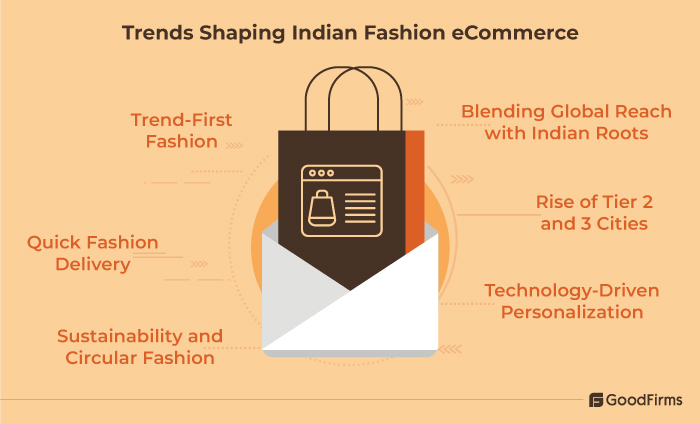
1. Trend-First Fashion
The fashion ecommerce segment is such that consumers want fresh styles every week. This has given birth to trend-first commerce, where brands release new collections weekly instead of seasonally. Labels like NewMe, Snitch, and Slikk have built their entire strategy on fast launches and social media buzz. Snitch regularly drops limited collections and markets them through Instagram reels and creator partnerships.
2. Quick Fashion Delivery
Indian shoppers are also rewarding speed in delivery. Myntra, Ajio, and Nykaa Fashion have all started experimenting with same-day or two-day shipping for popular items. Meanwhile, newer players like NewMe promise delivery in 60 or 90 minutes in selected cities.
This “quick fashion” movement mirrors the food delivery playbook. However, brands are facing sustainability questions and rising costs. The Economic Times recently noted that while the model excites Gen Z, brands will struggle to balance logistics costs with customer satisfaction.
3. Rise of Tier 2 and 3 Cities
Fashion ecommerce is no longer just a metro story. Tier 2 and 3 cities are now driving the next wave of growth. Affordable data and social media have opened doors to global trends for small town shoppers.
Platforms like Meesho are leading this shift. Meesho has built a model around low-cost products, social sharing, and local dialect content. It shows how powerful local-first strategies can be.
On the other hand, the luxury side is also changing.Brands have seen a rise in luxury shoppers now coming from Tier 2 and Tier 3 towns. These buyers want experiences that feel aspirational yet rooted in culture.
The key is designing campaigns that work across geographies. This includes regional language content and price points tailored to new age consumers outside the big cities.
4. Sustainability and Circular Fashion
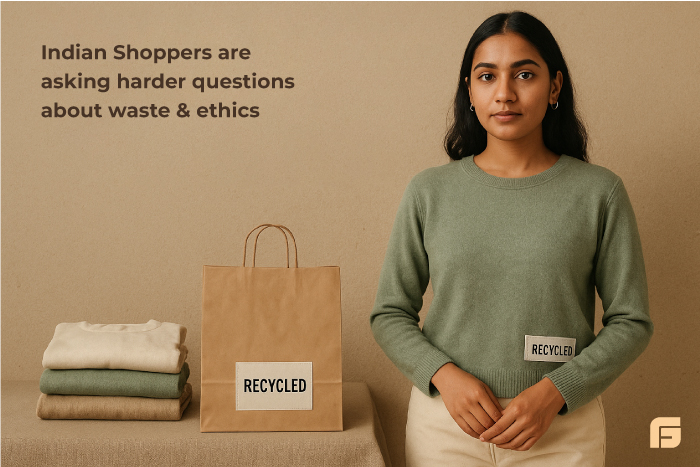
Indian shoppers, especially younger ones, are asking harder questions about waste and ethics. This has fueled a growing sustainable fashion movement.
Brands like Virgio even won the PETA India Vegan Fashion Award for their notable impact on animal-friendly fashion. They promoted vegan products, led ethical design innovation, and encouraged compassionate consumer choices.
Local labels such as Doodlage, Lovebirds, and Iro Iro also use recycled fabrics and slow fashion practices.
Government is helping too. Schemes like MITRA and the National Textile Policy include provisions for sustainable textile clusters.
5. Blending Global Reach with Indian Roots
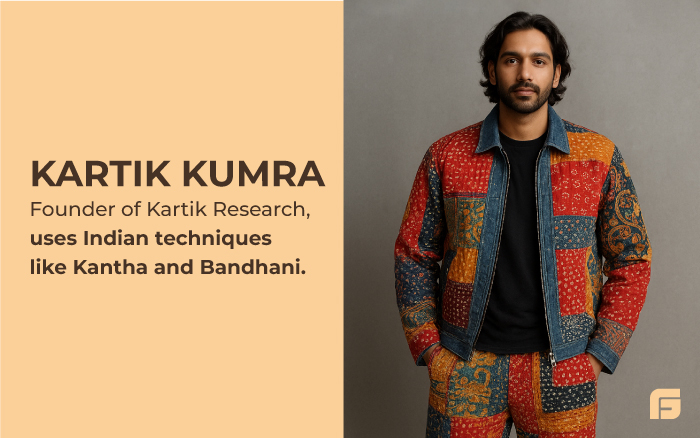
Indian fashion labels are getting international attention while staying rooted in local craft. Designer Kartik Kumra, founder of Kartik Research, uses Indian techniques like kantha and bandhani but presents them in a global streetwear style. His label is now stocked in 70+ international stores and debuted at Paris Men’s Fashion Week 2025.
Meanwhile, fast fashion ecommerce brands are remixing global TikTok trends for Indian consumers. This blend of local and global is creating a unique identity for Indian fashion online.
6. Technology-Driven Personalization
AI-powered recommendations have reshaped how customers discover products. Platforms like Myntra use machine learning to study browsing behavior, purchase history, and even location. Their AI engine now personalizes product feeds based on the history to boost engagement and sales.
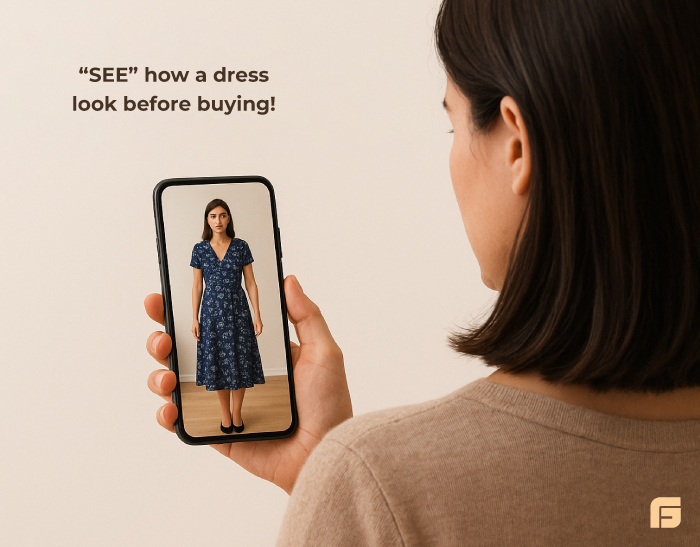
Many ecommerce brands are partnering with AI development companies for AR try ons and 3D previews are also gaining traction. Customers can “see” how a dress, pair of sneakers, or even a piece of jewelry looks on them before buying. This reduces hesitation and lowers return rates. Lowering return rates would be one of the most critical advantages in a market where returns can eat margins.
Global fashion brands like Zara and Gucci already use AR fitting rooms, and Indian players have also started experimenting with similar tools.
Chatbots and virtual stylists are another layer. Powered by AI, they help shoppers find the right fit, suggest looks, and even upsell accessories. For Gen Z, who are comfortable with conversational commerce, this feels natural.
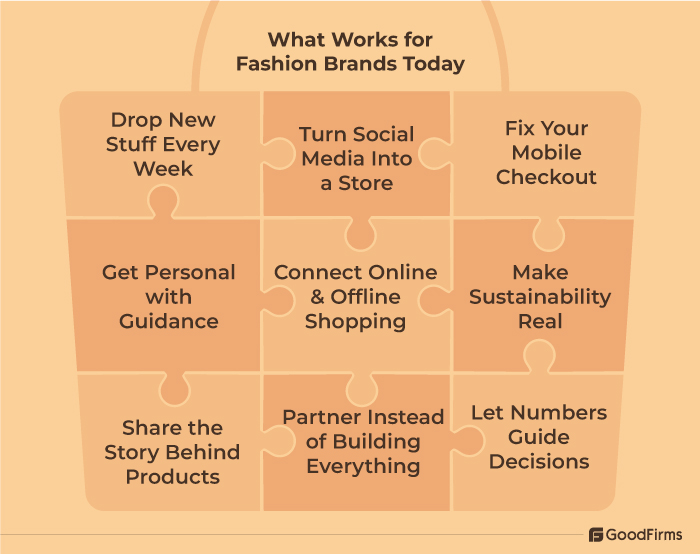
What Works for Fashion Brands Today
Here are some practices that brands have experimented with and worked for them.
Drop New Stuff Every Week
Brands have stopped waiting for seasons. They launch fresh products weekly or bi-weekly. This creates a sense of urgency that drives sales.
NEWME releases 500 new items each week. Customers know there is always something different to check out. The constant newness keeps them coming back. Brands are also adding countdown timers and sending "limited stock" messages to push faster decisions.
Turn Social Media Into a Store
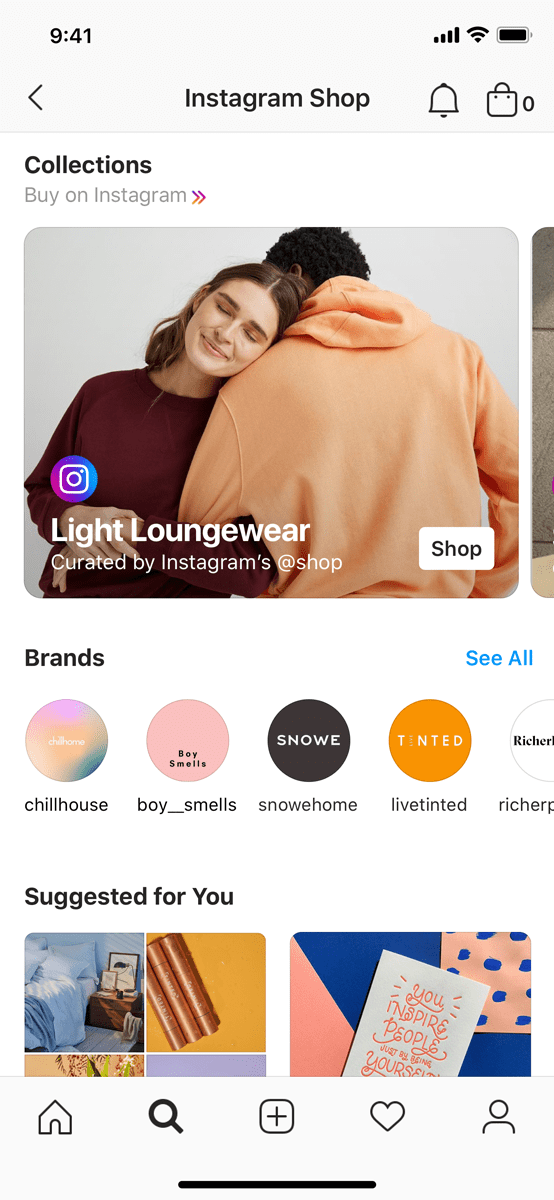
Instagram and Facebook aren't just for pretty pictures anymore. Smart brands can collaborate with social media marketing agencies to create shoppable posts. Live shopping events work well, too. People can buy while they browse.
Source: Instagram
Work with both big influencers and smaller ones. The micro-influencers often have more engaged followers. Brands are asking customers to share photos and their reviews. These real customer pics build more trust than polished ads.
Fix Your Mobile Checkout
Your mobile site needs to load fast and work smoothly. People abandon carts quickly if checkout takes too long. One-click buying helps a lot.
Let people check out without creating accounts. Hiring UX design companies helps you quicken this process, as they can help you keep forms short, integrate multiple payment methods, and more.
Get Personal with Recommendations
Customers want to see products they actually might buy. Generic product grids don't work anymore. And so brands have started using browsing history and past purchases to suggest relevant items.
- Put personalized products on the homepage.
- Send targeted push notifications.
- Email campaigns should feel tailored, not mass-sent.
- Size recommendations help reduce returns.
- Price-sensitive customers appreciate sale notifications.
Connect Online and Offline Shopping
People shop across channels now. They research online, visit stores, then order from their phone. So, make this journey smooth for them.
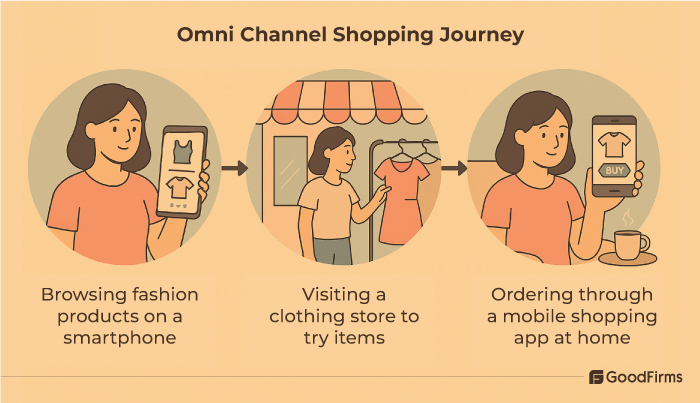
Stock levels should sync everywhere. Customer service needs to know what happened across all touchpoints. Returns should work from any channel. Good logistics cost money but builds customer loyalty.
Consulting top web development companies will help you incorporate all these features seamlessly.
Make Sustainability Real
Eco-friendly isn't just marketing anymore. Customers check where materials come from. They care about packaging waste and shipping methods.
Be specific about what makes your products sustainable. Share supplier information. Explain your waste reduction efforts. Young customers will pay extra for brands that match their values.
Share the Story Behind Products
Plain product descriptions don't excite anyone. Indian fashion has rich heritage stories to tell. Talk about the artisans, techniques, and cultural inspiration.
- Show the making process.
- Explain design choices.
- Connect products to traditions or causes.
- People buy stories as much as clothes.
- Emotional connection drives repeat purchases.
Partner with content marketing agencies to run storytelling-driven campaigns that connect emotionally with your customers.
Partner Instead of Building Everything
Running a fashion brand involves many moving parts. Smart companies partner with specialists instead of doing everything internally.
Payment companies make checkout smoother. Tech firms provide AR features and AI tools. Logistics partners enable faster delivery. These partnerships save time and money while improving customer experience.
Let Numbers Guide Decisions
Your website generates tons of useful data. See which products get viewed but not bought. Track where people leave during checkout. Notice seasonal patterns and popular times.
- Test different approaches regularly.
- Try new product photos, change descriptions, adjust pricing.
- Small improvements add up over time.
- Data removes guesswork from business decisions.
SEO companies can add real value here. They analyze your site data, identify content gaps, and optimize product pages or blogs to match what shoppers are searching for. This not only improves visibility but also drives higher conversions by aligning customer intent with the right content.
The Next Move Belongs to You
Indian fashion ecommerce keeps getting wilder. Trends change weekly now. Customers expect more from every interaction. Your competitors are probably reading this same guide and planning their next moves.
The brands winning right now didn't wait for perfect conditions. They picked one thing and got better at it. Then they picked another thing.
Your customers are already mobile-first. They want brands that get them personally. Speed matters more than perfection. Values matter more than fancy marketing speak. The companies thriving in 2025 won't just meet these needs. They will figure out what customers want before customers know it themselves.
Start somewhere this week. Maybe it's launching your first limited-time drop. Maybe it's fixing your mobile checkout flow. Maybe it's finally telling the story behind your best-selling pieces. Don't overthink it.
Small changes build momentum. That momentum becomes growth. Growth creates options you don't have sitting still.
The most successful fashion brands in India right now have one thing in common. They moved first while others were still planning. The question isn't whether you should act. It's whether you will be among the brands customers remember in two years.
What's your first move going to be?
FAQs on Fashion eCommerce in India (2025)
1. What makes fashion eCommerce different from other online shopping categories?
Fashion eCommerce is way trickier than ordering a phone or groceries. You can't touch the fabric or see how it fits your body. A medium in one brand might be a large in another. Colors look different on every screen.
That's why fashion ecommerce sites spend so much on good photos, detailed descriptions, and easy returns. Some are even adding virtual try-ons so you can see how a dress might look on you. It's all about reducing that "Will this actually work?" feeling that stops people from clicking buy.
2. How can fashion brands reduce high return rates?
Returns kill profits in fashion ecommerce, but there are ways to cut them down. Give people real size charts, not just S/M/L labels. Show how stretchy or fitted clothes actually are. Let customers virtually try things on when possible.
Here's something that works really well: offer exchanges instead of refunds. People are more likely to find something else they like rather than just taking their money back. Also, be honest about fabric and fit in your descriptions. Better to underpromise than deal with disappointed customers.
3. What is clothing ecommerce?
It's simply selling clothes online. T-shirts, jeans, sarees, kurtas, whatever people wear. The tricky part is that clothes are personal. Size matters. Style matters. How something feels on your skin matters.
Most clothing sales in India now happen through fashion ecommerce apps. People scroll through Instagram, see an outfit they like, and buy it right there. It's become one of the biggest online shopping categories because everyone needs clothes, and shopping from home is just easier.
4. Which social media platforms work best for fashion ecommerce in India?
Instagram wins by a lot, especially for younger shoppers. People discover outfits through Reels and Stories, then buy directly without leaving the app. Facebook still works well for reaching older customers and people in smaller cities. YouTube is getting interesting for fashion ecommerce too. Fashion hauls and styling videos drive a lot of sales. The key is making your content shoppable, not just pretty. People should be able to buy what they see without jumping through hoops.
5. How do brands maintain stock consistency across online and offline channels?
This is where many brands mess up. Nothing's worse than seeing something online, going to the store to try it, and finding out it's not available. Good fashion ecommerce brands sync their inventory everywhere in real time. The best setup lets customers buy online and pick up in-store, or return online purchases to physical locations. It costs money to set up, but customers love the flexibility. They'll shop with you more often when they know the experience will be smooth.
6. How can small fashion brands stand out in a crowded digital marketplace?
Small brands actually have some advantages in fashion ecommerce. You can move faster than big companies. You can tell more personal stories. You can focus on specific communities or styles that bigger brands ignore.
Work with local influencers who really connect with their followers. Create limited collections that feel exclusive. Be super responsive to customer questions and complaints. People remember good service more than flashy marketing.
7. Are seasonal launches still relevant in fashion ecommerce?
Festival seasons like Diwali or wedding season still drive huge sales. People plan big purchases around these times. But waiting for seasons to launch new stuff feels slow in today's market. The brands doing well mix both approaches. They have special collections for big occasions, but they also drop new styles every few weeks. It keeps people checking back regularly instead of just shopping twice a year.
8. What is the future of fashion ecommerce in India by 2025 and beyond?
Everything's going mobile-first in fashion ecommerce. People in smaller cities are driving most of the growth now. They want apps in their local language and payment options that work for them. Virtual try-ons will become normal in the near time. Same with super-fast delivery and sustainable materials. These aren't nice-to-have features anymore. They are what customers expect. The brands that get this right will own the next few years.