The promises of Artificial Intelligence sound almost too good to be true (because they are, at least so far). Autonomous co-pilots running entire businesses while leaders relax. Point-and-click deployment with guaranteed profits. Revolutionary transformation in weeks, not months.
Yet the reality of enterprise AI adoption tells a starkly different story.
Despite a flood of slick demos and ambitious pilots, a deep chasm exists between proof-of-concept projects and successful production environments. The gap shows up clearly in the numbers: 89% of organizations are actively exploring AI initiatives, reports DataArt, but only 11% of proofs of concept actually reach production.
A massive amount of research confirms this difficulty. MIT studies show 95% of AI projects fail to deliver meaningful business results. Gartner predicts that more than 40% of these projects will be canceled by 2027. Yet spending on AI agents is expected to explode from $5.1 billion in 2024 to $47 billion by 2030.
The high failure rate stems from execution fundamentals as much as from technological limitations. Companies spend significant resources (often hundreds of thousands of dollars, if not more) on AI agents that never make it past initial deployment phases. Organizations rushing deployment without realistic timelines or adjusted expectations set themselves up for burnout. This is the natural immune response to too much hype and too little substance.
For organizations seeking to move beyond pilot purgatory and join the successful 5%, success requires disciplined execution, strategic thinking, and deliberate focus on three interconnected non-technical hurdles:
- Trust and reliability
- Change management and organizational adaptation
- Data security and governance
Here’s how to clear those hurdles and implement AI solutions that actually matter.
The Foundation: Infrastructure and Data Quality
Before tackling those three organizational and security hurdles, leaders must confront a fundamental technical reality. AI agents and large language models require a robust, clean foundation to operate successfully. If you’re mired in technical debt and don’t have scalable systems, throwing a bunch of AI on top of the problem is unlikely to help.
Many enterprises lack the necessary underlying infrastructure. Lucidworks research indicates that 65% of companies don't have the foundational infrastructure needed to build useful agentic AI. In other words, it’s like organizations are trying to construct breathtaking skyscrapers before they’ve learned how to build mud huts. They try to skip the unexciting infrastructure work and jump straight into glamorous agent features. This approach is doomed to fail.
The Data Quality Crisis
Nearly all AI projects (99%, according to Vanson Bourne by way of Dynatrace) encounter significant data quality issues. This can go from being a technical inconvenience to a business killer in a hurry.
AI-ready data must be:
- Representative of real-world scenarios
- Compliant with regulatory requirements
- Fit for purpose and properly structured
The financial cost of remediation is steep. Data preparation can consume up to 80% of project budgets, per AWS. Trying to bolt an AI agent onto siloed data systems and expecting magic is unrealistic. The foundation must be solid first.
Success requires prioritizing the boring infrastructure work first. You’ll need clean data, proper APIs, monitoring systems, and robust governance frameworks for a successful AI implementation. Investing in data infrastructure before deploying models is non-negotiable. Quality data forms the competitive advantage.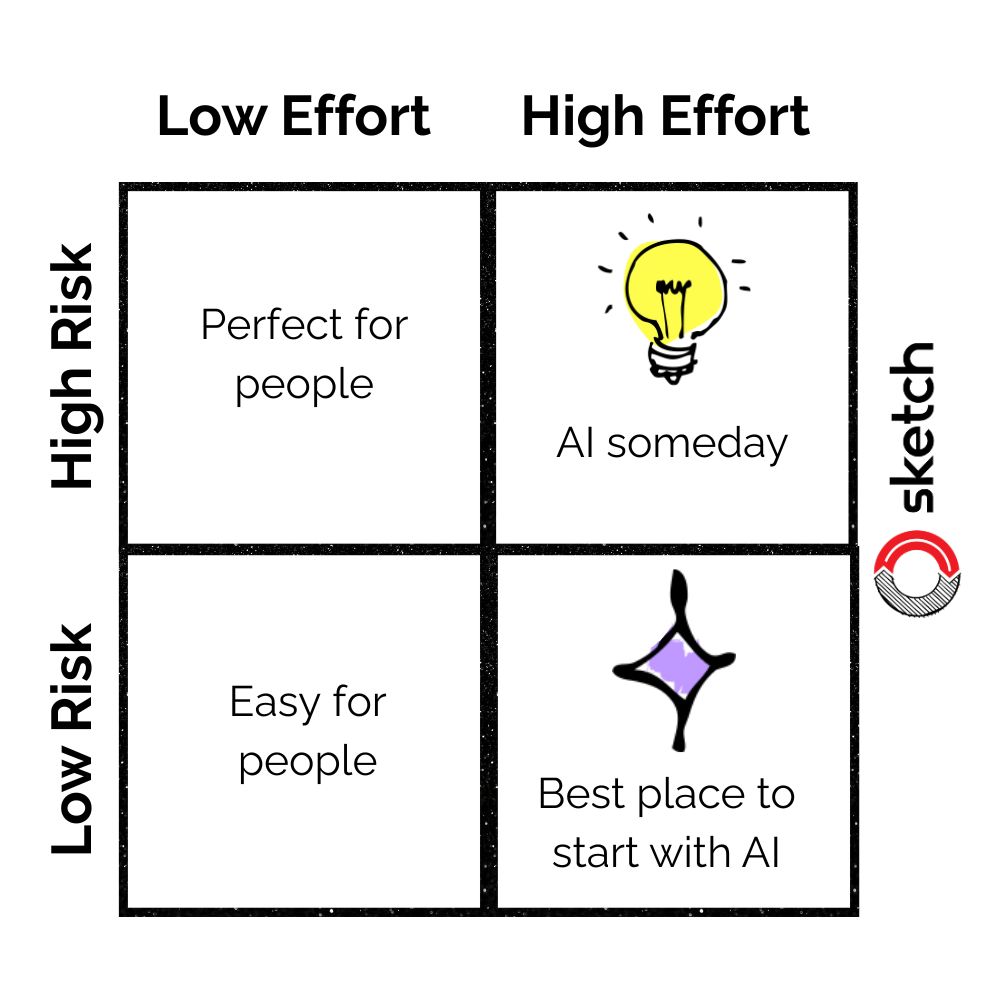
Navigating the Trust Hurdle: Accuracy and Human Oversight
The transition from impressive demo to reliable production system is often blocked by a profound lack of trust. This barrier is as psychological as it is technical, and for good reason.
Trust is fragile. A single hallucination can permanently destroy a client's confidence in the entire system. Recovery is difficult.
The psychological barrier extends to end-users and customers, too. Research suggests that customers, including digital natives, still prefer human interaction for complex, nuanced, or emotionally charged support issues. This skepticism affects adoption rates and investment sustainability. The response accuracy of generative AI is one of the largest concerns organizations share, per Lucidworks, right up there with concerns about security, transparency, and implementation costs.
For organizations operating in regulated industries like financial services, trust is paramount. It's often described as the core business. The non-explainable nature of neural networks creates a significant challenge to adoption in these sectors, which also include healthcare, insurance, and utilities, among others. Getting a wrong answer or having a model hallucinate is simply unaffordable.
The Human in the Loop (HITL) Imperative
To counteract brittleness and build confidence, successful AI implementation mandates human oversight. The promise of "set it and forget it" automation is a fantasy. Rough estimates suggest that roughly half of agent output requires refinement. This means continuous human management, review, and iteration are necessary.
The most effective results come from systems that keep humans firmly in the loop for:
- Critical decisions
- High-stakes outputs
- Anything customer-facing
The collaborative model of agent augmentation consistently beats agent autonomy in real-world applications.
Where Human Judgment Remains Indispensable
AI agents struggle in several key areas that require genuine human expertise:
- Complex Context and Logic – Agents struggle to maintain context across large codebases. They miss complex business logic that a mid-level developer would understand quickly.
- Ethical and Ambiguous Situations – Decisions requiring genuine taste, ambiguous ethical situations, or culturally sensitive negotiations necessitate human intervention.
- Creative Problem Solving – AI models are trained on what currently exists and what has been. They lack the human ability to conjure a vision of a better future or achieve true creativity.
Organizations that successfully adopt AI maintain strict rules in all of these areas. For example, an organization might mandate that any content created and branded for their business must have a human in the loop to iron out inaccuracies and maintain brand trust. This setup allows the AI to handle the grunt work (such as generating a first draft quickly) while humans focus on judgment, refinement, and maintaining quality standards.
The Change Management Hurdle: Organizational Resistance and Burnout
The AI implementation reality check reveals that organizational adaptation is often harder than technical implementation. Implementing AI agentic workflows requires fundamentally changing how work gets done. Most organizations haven’t been built with AI in mind.
If all a city has is a network of footpaths, you wouldn’t be able to introduce cars there without changing the infrastructure. Organizations need similar change today. Unfortunately, large organizations often resist this kind of change, especially when it threatens established roles.
The Human Cost of Adoption
The psychological burden of rushed AI adoption is immense. Even though AI supposedly makes work easier, 82% of employees are now at risk of burnout (the highest rate recorded).
This stress stems from a mismatch in expectations and resources. A Salesforce study of IT leaders found that 85% of them expect employees to become more productive by using AI.
Employees are forced to learn new tools, evaluate AI outputs for accuracy, and maintain existing quality standards… all while hitting the same deadlines.
The time spent evaluating AI outputs, fixing mistakes, and managing edge cases often counteracts the time saved by automation. That is, it actually takes longer to do the work with AI, at least in the early stages of adoption. Leaders who don’t acknowledge this will create awful work environments.
Strategic Change Management
Successful organizational change management (OCM) must be strategic and empathetic. It involves:
- Adjusting Workloads and Expectations – Leaders must set realistic expectations and adjust workloads accordingly.
- Addressing Fear and Encouraging Upskilling – Leaders should clearly communicate how they expect AI to affect the business. Address legitimate employee concerns about their roles. Successful implementations invest heavily in training and cultural preparation. Create clear career development paths that reward collaboration with AI systems.
- Fostering Cross-Functional Collaboration – Organizational misalignment is a major failure point. Business teams, IT, and data scientists often operate in silos. This has already been a major issue, and AI will only make the problems worse. Success depends on breaking down these silos and fostering shared ownership with clear communication.
It helps if you can already empathize with the user community. Where are they in their own personal journeys with AI? People can’t conceptualize how AI is relevant to their workflow if they don't even understand what’s possible.
Architectural Adaptation and the New Modality
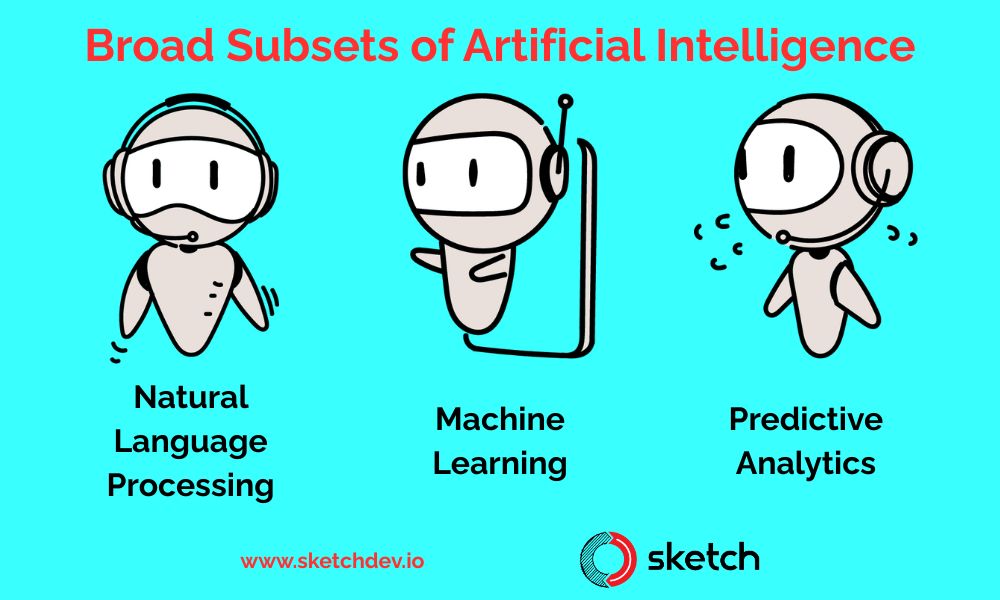
The shift to AI fundamentally changes the user experience. AI introduces a new, interactive modality where business people can have a dialogue with their tools. This requires new skills, such as sophisticated prompt writing. It's a major difference from traditional methods of adapting work patterns to fit technology.
Agentic workflow implementation also highlights hidden inefficiencies and gaps in existing processes, even those that organizations could previously ignore. Many organizations rely on the tribal knowledge of select individuals rather than clean, documented workflows. Defining what exactly the agent should automate can lead to seven different answers from seven different people.
Effective AI deployment depends on the discipline to ensure the documented process matches what happens in practice
The Data Security and Governance Hurdle
The implementation of advanced AI agents introduces complex requirements related to data access, security, and governance that organizations must address proactively.
AI agents consume data at rates that are hard to fathom. They often require access to sensitive information across multiple, previously siloed systems to function effectively. This creates tension between the agentic AI’s need for comprehensive data access and the organization's requirement to maintain stringent security and privacy standards.
The rise of generative AI is giving cybersecurity professionals nightmares. The primary implementation barrier, cited by 73% of organizations, is insufficient data governance.
Compliance and Risk Mitigation
In tightly regulated sectors, security and compliance protocols are existential. Their governance is almost exclusively focused on accuracy and quality control. They must ensure that agents adhere to complex compliance regulations, such as funds availability rules in consumer banking. In finance and healthcare, it can be illegal to send certain regulated data off-premise for processing.
The challenge is compounded by the adaptive nature of AI agents, which can exhibit unexpected behaviors as they learn. Security frameworks must account not just for intended functionality, but also for the possibility that agents might discover new capabilities or interaction patterns not anticipated during design.
Key Elements of Robust Governance
These four elements, while not necessarily an exhaustive list, are vital for AI governance:
- Defined Policies – A clear AI usage policy is essential. One best practice is mandating that employees treat data entered into public Large Language Models (LLMs) as if it were immediately going out to the internet. This urges mindfulness about what information is used in prompts.
- Oversight and Accountability – Implementing governance frameworks that assign responsibility for validation, oversight, and fallback systems is critical.
- Access Management – When AI agents can act on behalf of users across multiple systems, organizations need sophisticated frameworks for Identity and Access Management (IAM) to delegate authority while maintaining audit trails.
- Data Architecture – Implementing Retrieval Augmented Generation (RAG) solutions that democratize knowledge retrieval while ensuring data remains within controlled enterprise knowledge bases is a key strategy for managing risk and improving productivity.
The companies that implement artificial intelligence successfully formalize an AI usage policy early on. They develop internal controls to detect how data is used by associates and AI alike. The approach should be viewed as enablement, rather than solely control. This helps make sure employees use the technology in a responsible and safe way.
The Path Forward: Disciplined Execution for Sustainable Success
The path to successful AI implementation requires organizations to move beyond the hype and embrace the "messiness" of continuous learning, adaptation, and iterative improvement. The success formula hinges on disciplined execution, focusing on foundational readiness and strategic adaptation.
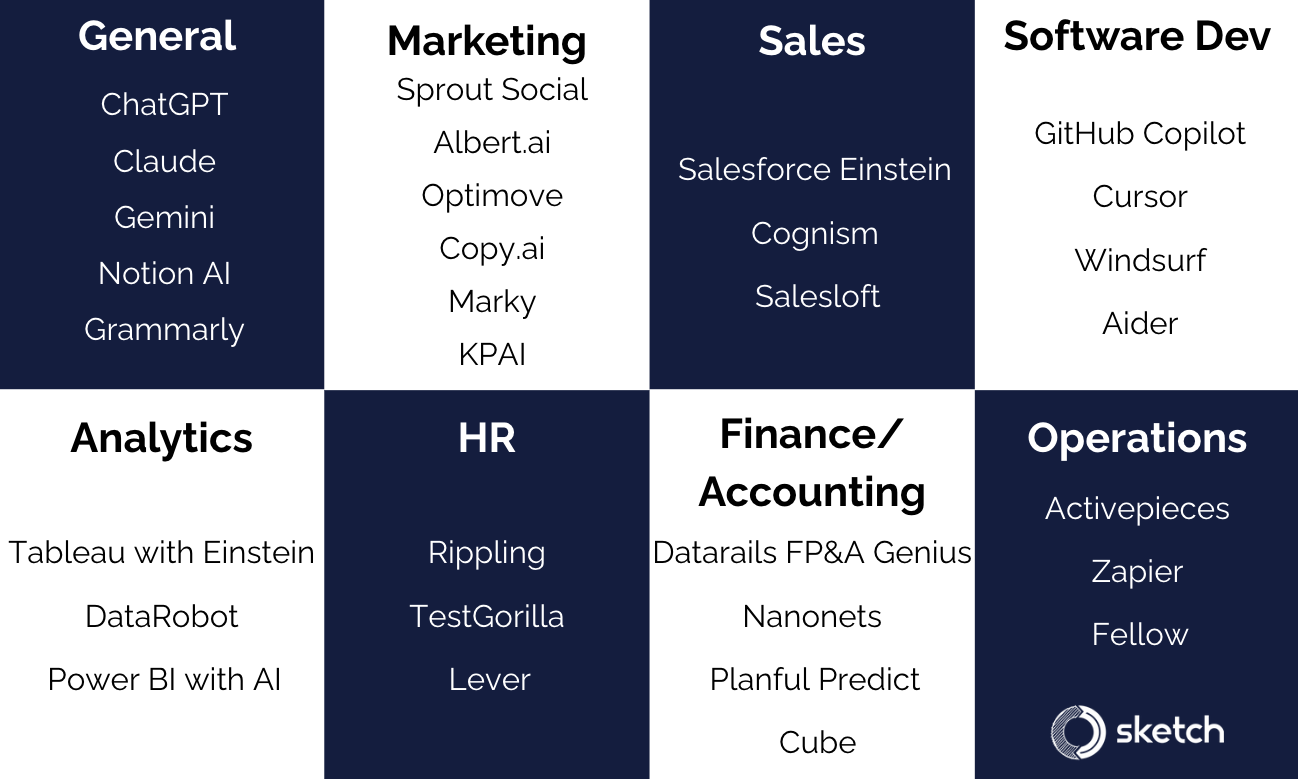
To successfully navigate the trust, change management, and data security hurdles, leaders must prioritize a progressive and pragmatic approach:
1. Prioritize Foundation Over Flash
Invest in cleaning data, establishing proper APIs, and implementing robust governance frameworks first. Avoid rushing deployment before foundational systems and competencies are mature.
2. Define Bounded Outcomes
Start by identifying specific, narrow problems where agents genuinely add measurable value. Don't try to automate every process at once. Use low-risk pilot projects to demonstrate value and build organizational knowledge. But beware of "pilot purgatory."
3. Embed Human Oversight
Implement mechanisms to keep humans in the loop for critical decisions and refinement. Adopt AI augmentation models, which leverage the AI's strength in coordination and processing while maintaining human judgment, creativity, and strategic thinking at the center.
4. Invest in OCM and Alignment
Recognize that implementation is a capability development project, not just a technology rollout. Invest heavily in change management. Ensure cross-functional alignment between business and technical teams. Adjust employee workloads and expectations realistically.
5. Establish Governance Frameworks
Develop stringent data governance, security, and compliance protocols from the beginning. Account for both intended functionality and the potential for unexpected agent behavior.
Conclusion: Last Words on Successful AI Implementation
Doomsayers talk about the future as "human versus machines." The reality of AI implementation, ideally, is more about humans collaborating with machines to achieve more than they could alone.
Organizations that implement AI strategically (rather than reactively) will be the ones that achieve sustainable competitive advantage. The journey requires patience, discipline, and a commitment to sound fundamentals over flashy features.
The 5% of organizations that successfully deploy AI into production share common traits. They build solid data foundations. They keep humans in the loop. They invest in change management. They establish governance from day one. Most importantly, they recognize that AI implementation is a marathon, not a sprint.
Run an AI readiness assessment to see if you have more foundational work to do before you get started. If you’re already prepared to navigate your AI implementation with confidence, find a partner on Goodfirms and get to work!